3 Myths Debunked by the Next Gen in News Report
Twipe insights on media habits of younger audiences
Created by the teams at FT Strategy and Northwestern University’s Knight Lab, the second edition of the Next Gen in News report dives deep into the habits of younger audience. It’s packed with real-world case studies and survey data that every product manager and editor should see.
In this article, we’re breaking down the three biggest myths about young audiences that this report helps dispel. This is a topic that has been close to our heart for many years and it’s great to see the insights highlighted by the FT Strategies.
1. Myth: Young people don’t consume news
Let’s start with the most common myth: that young people simply aren’t interested in the news. Speaking as what the report terms a next gen reader, we definitely are!
The data backs this up: 55% of respondents under 25 engage with news at least daily. In fact, they don’t avoid the news any more than older generations do.
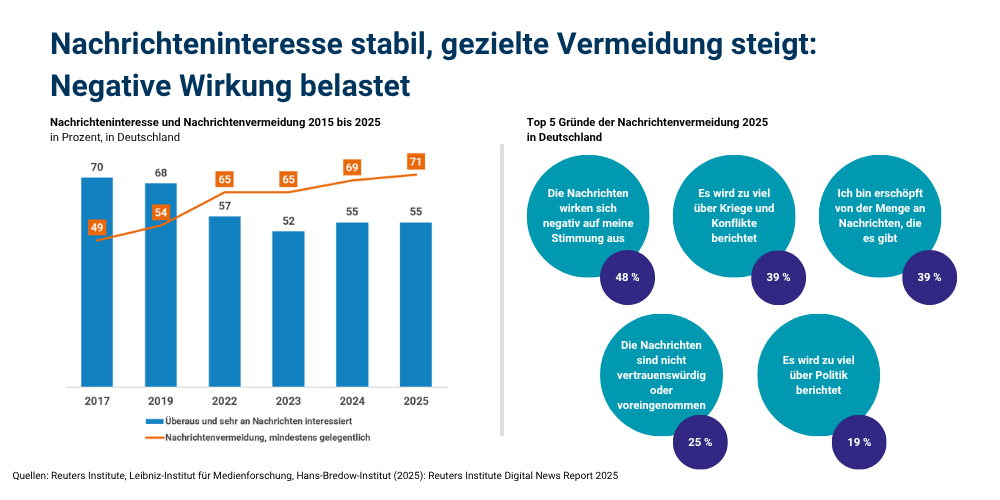
The real shift is in how they define news. It’s no longer just hard news or civic headlines. To a young consumer, it’s news if it hits one of these marks:
Civic Relevance: It’s about government or society.
Personal Impact: It affects their wallet or daily life (like a product recall).
Social Currency: It’s what everyone is talking about right now.
Entertainment Value: It’s a compelling, non-fiction story.
The power to decide what is newsworthy has shifted from the editor’s desk to the audience’s interests.
2. Myth: Scrolling is passive
They act as their own personal editors by training their algorithms:
3. Myth: Young audiences stay surface-level
The Next Gen 2 report says the opposite: young audiences actually crave depth.
When a topic truly interests them, 65% of next-gen consumers prefer an in-depth story over a summary. They enter what the report calls “Study Mode”—a state where they deliberately move away from bite-sized updates to find nuance and context.
Productive Entertainment: They view learning as a way to upskill or find inspiration.
Meaningful Investment: They will spend hours on a single piece of content—like an hour-long podcast on economic policy—if it feels like it’s helping them grow.
The bottom line
Don’t assume that because an audience uses social media, they only want surface-level info. Young people use platforms like TikTok for discovery, but they seek out long-form articles and videos for meaning. Publishers who want to win in 2030 need to provide both: the quick hook to catch the “sifters” and the deep substance for those ready to study.
Sarah Cool-Fergus is Media Insights Writer & Business Analyst at Twipe.
First published in Twipe's blog.